
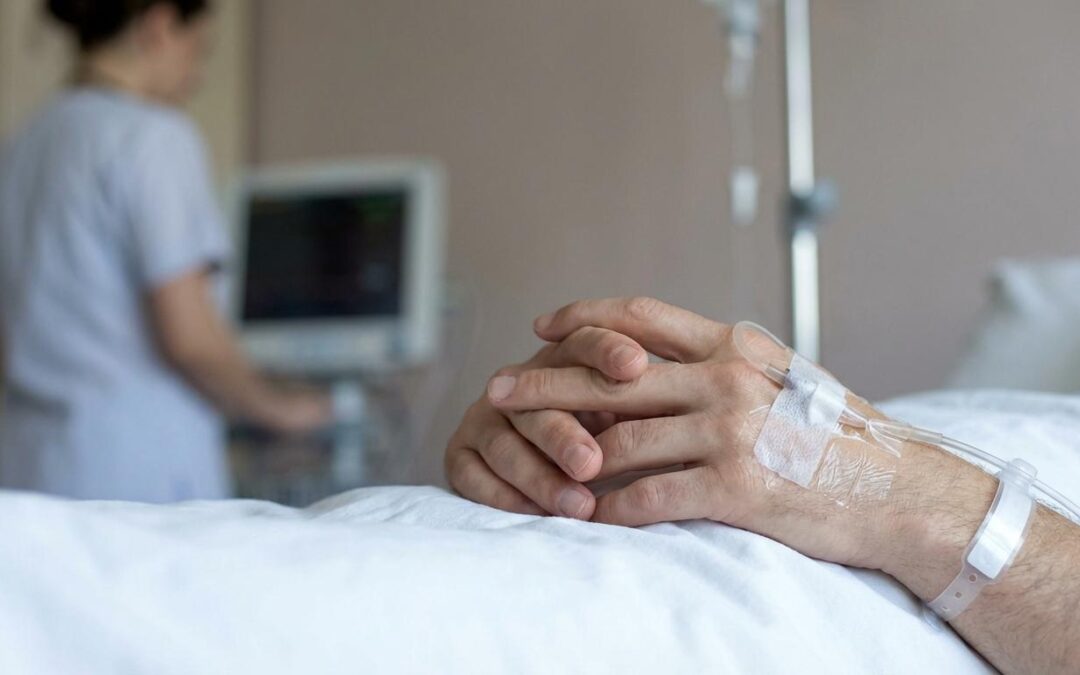
People often use the word “detox” to mean everything from a week of green juice to a few days of rest at home. When alcohol or drugs are involved, withdrawal can be unpredictable, uncomfortable, and sometimes dangerous. That is why medically supervised detox exists.
If you are considering stopping, or supporting someone who is, it helps to know what happens behind the scenes, what “supervised” really means, and why detox is usually only the starting point.
Medically supervised detox: a clear definition
Medically supervised detoxification is a short, structured period of care that helps a person come off alcohol and or drugs safely. The focus is the body’s withdrawal process: reducing symptoms, spotting complications early, and stabilising sleep, hydration, nutrition, and vital signs.
It usually takes place in a healthcare setting, which might be a hospital ward, a specialist detox unit, or a residential treatment centre with medical cover. “Supervised” means there is a plan, clinical oversight, and the ability to respond quickly if symptoms change.
Detox is not the same as rehabilitation. Detox supports you through the acute physical phase so you can then engage in the psychological and social work that keeps recovery going.
Why medical supervision matters
Withdrawal is your nervous system adjusting to the absence of a substance it has adapted to. The safer option is not always “stopping immediately” but stopping in a way that matches the substance, the dose, your health history, and your current risks.
Alcohol and sedatives (including benzodiazepines) are the substances where unsupervised withdrawal can be most risky. Severe alcohol withdrawal can involve seizures or delirium (confusion, agitation, hallucinations). Benzodiazepine withdrawal can also cause seizures, intense anxiety, and severe rebound insomnia, especially after long-term use.
Opioid withdrawal is usually less medically dangerous but can be intensely unpleasant, and it is a common trigger for rapid relapse. Stimulant withdrawal tends to be more psychological (low mood, exhaustion, sleep disruption), yet it can still be risky if there is paranoia, depression, or suicidal thinking.
A supervised setting is also about dignity. Having symptoms taken seriously, being believed, and getting practical relief can make the difference between completing detox and returning to use simply to stop the suffering.
After any paragraph like this, it can help to name warning signs. Seek urgent medical help if any of the following appear during withdrawal:
- Seizures: shaking or loss of consciousness
- Delirium or severe confusion: disorientation, seeing or hearing things that are not there
- Chest pain or breathing problems: medical emergency symptoms
- Uncontrolled vomiting or dehydration: not keeping fluids down, fainting, severe weakness
- Suicidal thoughts: immediate support needed
What happens during a medically supervised detox
A good detox starts before the first dose is reduced or the first drink is stopped. The team needs a clear picture of what has been used, how much, how often, and for how long. That includes prescription medications, over-the-counter products, and any drugs used “only at weekends”.
You can also expect questions about past withdrawal attempts, seizures, blackouts, head injuries, pregnancy, heart or liver problems, and mental health. This is not to judge. It is to prevent avoidable harm.
Once detox begins, supervision tends to include:
- regular checks of pulse, blood pressure, temperature, hydration, and mental state
- symptom scoring tools to guide medication dosing (common in alcohol withdrawal care)
- medication to prevent complications and ease distress
- support with sleep, nausea, diarrhoea, pain, anxiety, and cravings
- a plan for what happens immediately after detox
Sometimes people imagine detox as being “knocked out” for a week. In practice, it is more like a careful stabilisation process: enough medication to make withdrawal safer and more tolerable, with doses adjusted as your body settles.
Medications and approaches vary by substance
Detox is not one standard protocol. The safest plan depends on the drug, the dose, and the pattern of use.
The table below gives a Europe-style overview of what is commonly used in clinical services. Local guidelines and individual medical histories always come first.
| Substance | Typical medically supervised approach | Usual acute timeframe | Notes |
|---|---|---|---|
| Alcohol | Long-acting sedative medicines (often benzodiazepines), vitamins (especially thiamine), fluids and electrolyte support | ~5 to 10 days | Main aims are seizure prevention, delirium prevention, stabilising blood pressure and sleep |
| Opioids (heroin, morphine, oxycodone) | Buprenorphine or methadone taper, or non-opioid symptom relief medicines | ~5 to 14 days | Withdrawal is often not life-threatening, yet relapse risk can be high without follow-on care |
| Benzodiazepines (diazepam, alprazolam) | Very gradual taper, often switching to a longer-acting benzodiazepine first | Weeks to months | Slow reduction is usually safer than rapid cessation |
| Stimulants (cocaine, amphetamine) | Supportive care, short-term symptom relief, sleep support, mental health monitoring | Days to ~2 weeks | Watch for depression, agitation, paranoia, and exhaustion |
| Cannabis, nicotine | Supportive care, sleep and anxiety strategies, nicotine replacement for tobacco | Days to ~1 week | Physical risks are usually lower, but irritability and insomnia can be significant |
One more point often missed: detox plans sometimes need to account for multiple substances at once. Mixing alcohol, benzodiazepines, and opioids is not unusual. Polysubstance withdrawal requires careful medical judgement, not guesswork.
Inpatient vs outpatient detox: what usually guides the choice
Across Europe, detox can be offered in outpatient settings (you go home the same day) or inpatient settings (you stay overnight for a period). Both can be appropriate when the choice fits the risk level and the support available.
Outpatient detox may suit someone with mild to moderate withdrawal risk, stable housing, supportive people at home, and no history of complicated withdrawal. Inpatient detox may be advised when there is a higher chance of severe symptoms, when home is not a safe place to withdraw, or when mental health risks are present.
A clinician may recommend inpatient detox when any of these apply:
- Previous severe withdrawal: seizures, delirium, or hospital admissions
- High daily use: heavy alcohol intake or high-dose sedatives
- Unstable physical health: heart problems, uncontrolled blood pressure, severe liver disease
- Mental health concerns: psychosis, severe depression, suicidal risk
- Limited support at home: living alone, unsafe environment, high exposure to triggers
In Denmark and nearby countries, the setting is often influenced by what is available locally, what can be funded, and how quickly safe care can start. The practical question is not “Which is best?” but “Which is safest for this person right now?”
What detox feels like day to day
People deserve honest expectations.
The first 24 to 72 hours can be the hardest for alcohol withdrawal. Symptoms may include tremor, sweating, anxiety, nausea, sensitivity to light and sound, and disturbed sleep. Opioid withdrawal often brings flu-like symptoms, cramps, restlessness, insomnia, and strong cravings. Stimulant withdrawal can feel like a crash: fatigue, low mood, and irritability.
There may also be a psychological “rebound” when substances are removed. Emotions that were numbed can return quickly. That can be a relief, and it can also feel raw.
A supportive detox environment tends to focus on very practical stabilisers: predictable routines, regular meals, hydration, quiet space to sleep, and staff who respond early rather than waiting for symptoms to escalate.
Detox is a beginning, not a finish line
Detox can get you through withdrawal. It does not, on its own, change the patterns and pressures that kept the addiction going.
That is not a failure. It is simply how dependency works. The brain learns cues, habits, and relief-seeking behaviours over time, and those do not disappear just because the body is no longer in acute withdrawal.
This is why many European services treat detox as the first stage of a wider plan: therapy, relapse prevention work, help with mental health, family support, and aftercare.
Approaches often used after detox include cognitive behavioural therapy (CBT), motivational interviewing (MI), skills training for cravings and triggers, and stress reduction practices. Medication may also be considered for relapse prevention in alcohol dependence, depending on health factors and personal preference.
What a residential detox and rehab programme can add
Some people need more than safe withdrawal management. They need time away from everyday triggers, space to think clearly, and consistent therapeutic support while their sleep and mood settle.
Residential treatment centres can combine medically supervised detox with structured therapy and community support. At Floralund Fredensborg in North Zealand, detox and rehabilitation can be delivered in a calm, hotel-like setting near Fredensborg, with personalised plans and a multidisciplinary team. The approach is often described as “freedom under responsibility”, meaning adults are treated with trust and respect rather than strict isolation, while still keeping safety at the centre.
Family involvement can also matter. Dependence affects the people around you, and recovery tends to be stronger when relatives have guidance, boundaries, and a shared plan.
If you are comparing options, it can help to ask a few straightforward questions after you have spoken about your situation. People often find these useful:
- Who will monitor my withdrawal symptoms, and how often?
- What happens at night if symptoms worsen?
- How do you manage sleep problems?
- What is the plan after detox ends?
- Can relatives get support too?
If you are thinking about stopping
You do not have to “hit rock bottom” to deserve safe care.
If you are using alcohol daily, taking benzodiazepines regularly, mixing substances, or you have had severe withdrawal symptoms before, speak to a clinician before stopping. If you feel confused, severely unwell, or at risk of harming yourself, seek urgent help through emergency services.
For many people, the first step is simply an honest conversation, sometimes anonymously at first, to work out what level of support is sensible. The aim is not to prove willpower. It is to get you through the risky part safely, then build the support that makes sobriety more than a short break.