
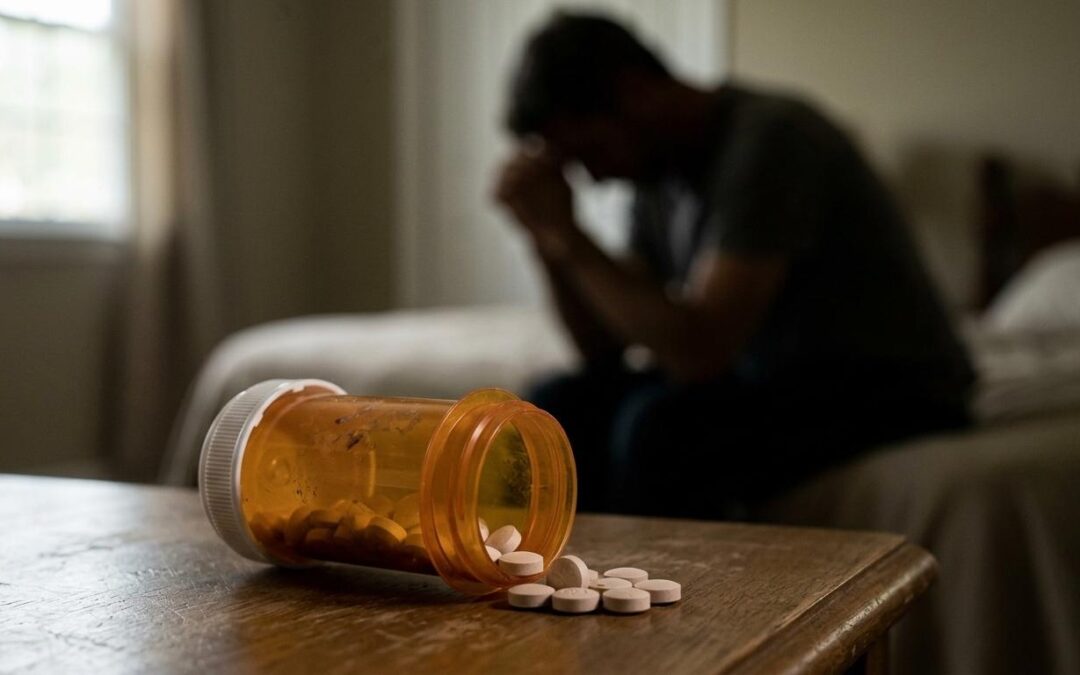
Choosing between residential rehab and detox at home can feel overwhelming, especially when the person involved is already exhausted, frightened, or unsure how serious the withdrawal might be. Many people hope home detox will be enough. Others assume residential treatment is the only safe route. The truth is more nuanced.
Both approaches can help, but they are not interchangeable. The right setting depends on withdrawal risk, physical and mental health, the home environment, and what happens after the first sober days. Detox is only the opening step. Recovery usually depends on what comes next just as much as where the withdrawal itself takes place.
The setting changes more than the postcode
Residential rehab means living on site for a period of time while receiving medical care, therapy, structure, and support. Home detox, sometimes called outpatient or ambulatory detox, means the person remains at home and attends appointments, receives medication if appropriate, and is monitored at intervals rather than around the clock.
That difference sounds simple, but it affects almost everything. In residential care, staff can respond straight away if symptoms worsen, sleep collapses, mood drops sharply, or cravings become intense. At home, there may be long stretches between check-ins, which means more responsibility falls on the person and those around them.
There is also an emotional difference. Staying at home may feel less disruptive and less costly. It can also leave someone surrounded by the same triggers, routines, tensions, and access to alcohol or drugs that fed the problem in the first place. Residential care creates distance from those patterns, which can be a real relief for some people.
What outcomes tend to look like
Research comparing inpatient and outpatient detox does not show one clear winner for every person. For carefully selected people with mild to moderate alcohol withdrawal, home detox can work about as well as inpatient detox in the medium term. Six-month alcohol outcomes in some studies look broadly similar across both settings.
That said, residential treatment often has an early edge in treatment completion and short-term stabilisation. This matters because people rarely benefit from a plan they cannot finish. A safer environment, regular medication, closer monitoring, and daily therapeutic contact can make it easier to get through the hardest first days.
For opioid dependence, the picture is different again. Detox alone tends to have poor long-term results in both settings unless it is followed by ongoing treatment, often including medication and structured therapy. In other words, the debate is not only “residential or home?” but also “what support follows detox?”
Longer treatment episodes also tend to do better than very short ones. That matches clinical experience. A week of detox may stop the immediate crisis, but it does not automatically rebuild sleep, mood, relationships, coping skills, and daily routine.
Several factors usually shape outcomes more than the address itself:
- Withdrawal severity: the greater the physical risk, the more likely residential care will help with safe completion.
- Mental health: depression, trauma, anxiety, or suicidal thoughts can make home detox much harder.
- Home environment: a calm, supportive household is very different from living with conflict, isolation, or easy access to substances.
- Follow-up care: therapy, family support, relapse planning, and aftercare often matter more than the detox setting alone.
Safety is where the biggest gap appears
The clearest difference between residential rehab and home detox is safety. Alcohol and benzodiazepine withdrawal can become medically dangerous. Seizures, delirium, dehydration, confusion, blood pressure changes, and severe agitation can develop quickly. When staff are present day and night, those risks can be monitored and treated early.
Home detox is safest when the withdrawal risk is expected to be low to moderate, the person has been medically assessed in advance, medication is prescribed appropriately, and there is a reliable adult nearby who knows what to watch for. Even then, the margin for error is smaller than in a residential setting.
Psychological safety matters too. People stopping alcohol or drugs may feel panic, despair, shame, or sudden hopelessness. If someone has active suicidal thoughts, recent self-harm, severe psychiatric symptoms, or marked confusion, detox at home is generally not the right place to start.
Situations that usually point away from home detox include:
- Previous withdrawal seizures
- Delirium tremens or hallucinations
- Heavy use of alcohol and benzodiazepines together
- Serious heart, liver, or respiratory illness
- Active suicidal thoughts
- No safe adult support at home
- Homelessness or unstable housing
This does not mean home detox is unsafe for everyone. It means it needs careful assessment, honest screening, and a plan for what happens if symptoms shift unexpectedly.
A side by side view
| Area | Residential rehab | Home detox |
|---|---|---|
| Best suited to | Higher-risk withdrawal, unstable home life, co-existing mental or physical health concerns | Lower-risk withdrawal, stable home, reliable support, strong motivation |
| Medical cover | 24/7 staff and rapid response | Scheduled reviews, self-monitoring between contacts |
| Early completion | Often better | Can be lower if cravings, symptoms, or home triggers get in the way |
| Medium-term outcomes | Often similar to outpatient for well-selected mild cases, better for some complex cases | Can be similar for mild to moderate cases with good support |
| Daily life impact | Requires time away from home and work | More flexible, can fit around some family or work duties |
| Upfront cost | Higher | Lower |
| Hidden risk | Cost and disruption | Greater exposure to triggers, less immediate support |
Cost is not just the programme fee
Home detox is usually cheaper at the start. There is no room and board, fewer staffing costs, and less intensive monitoring. For people who are medically suitable, that can make outpatient care a sensible and cost-effective option.
Residential rehab costs more because it includes accommodation, nursing cover, daily therapeutic input, and a protected setting. That higher price can feel hard to justify when someone is already worried about work, family obligations, or finances.
Still, the true cost is wider than the invoice. A failed home detox may lead to repeated attempts, emergency admissions, time off work, family strain, or a return to heavier use. Residential care may be better value if it prevents crisis after crisis, especially for someone with a long history of relapse or unsafe withdrawal.
A realistic cost comparison should include:
- Direct costs: admission, medical care, therapy, medication, room and meals
- Indirect costs: lost income, travel, childcare, time away from dependants
- Risk costs: hospital admissions, repeat detox, legal or employment fallout after relapse
- Longer-term value: whether the plan leads into proper treatment and aftercare
Funding routes vary. In Denmark, some people may be able to access public support, referral pathways, or insurance cover depending on the case and the provider. It helps to ask about this early, rather than ruling out one option on cost alone.
Where residential care often earns its place
Residential rehab is often the better fit when someone needs distance from daily triggers, a medically safer detox, and enough time to settle before returning home. That can apply to alcohol, drugs, or behavioural addictions when life has become chaotic and repeated attempts to stop alone have not held.
The value is not only medical. Residential treatment can restore routine. Sleep, food, movement, conversation, and therapy begin to happen at predictable times again. That sounds basic, but many people enter treatment after months or years of disorder.
A structured residential setting may offer:
- A break from access and triggers
- Round-the-clock observation
- Faster response to worsening symptoms
- Daily therapy and peer support
- Time to involve family
- A clearer step-down plan afterwards
At Floralund Fredensborg, the residential model combines medically supervised detox with therapy, group work, CBT, motivational interviewing, mindfulness, family involvement, and aftercare planning. The setting is calm and private, and the approach is based on responsibility rather than strict shielding, which means people can keep normal contact with the outside world while still receiving intensive support. For some adults, that balance feels more respectful and realistic than an overly restrictive programme.
When home detox can make good sense
Home detox can work well when the person is medically stable, withdrawal is not expected to become severe, and there is good support at home. It may also suit someone who cannot step away fully from caring duties or work, though this needs careful thought. Trying to “carry on as normal” during detox is often harder than people expect.
It is also a better option when it is part of a proper clinical plan rather than a hopeful attempt to stop alone. There should be assessment, medication when needed, clear daily contact, emergency guidance, and a direct move into counselling or rehab support afterwards.
A home plan is usually stronger when it includes three stages:
- Before detox: medical assessment, medication review, safety screening, home support arranged
- During detox: regular contact, symptom monitoring, reduced access to substances, quick escalation if needed
- After detox: therapy, relapse prevention, family work, and follow-up over weeks or months
Without that wider structure, home detox can become little more than white-knuckling through withdrawal and hoping for the best.
The choice should be personal, not ideological
People sometimes talk about treatment settings as if one is “serious” and the other is “easier”. That is not a helpful way to look at it. The better question is which setting gives this person the safest start and the best chance of staying engaged.
A medically safe home detox for the right person is not second best. Residential rehab for a more complex situation is not over the top. Both are valid forms of care when matched properly.
If there is uncertainty, it is usually wiser to get assessed than to guess. A confidential conversation with an addiction professional can help clarify withdrawal risk, mental health needs, family circumstances, and what level of care is most sensible now. That first step does not commit anyone to treatment, but it often makes the next decision much clearer.