
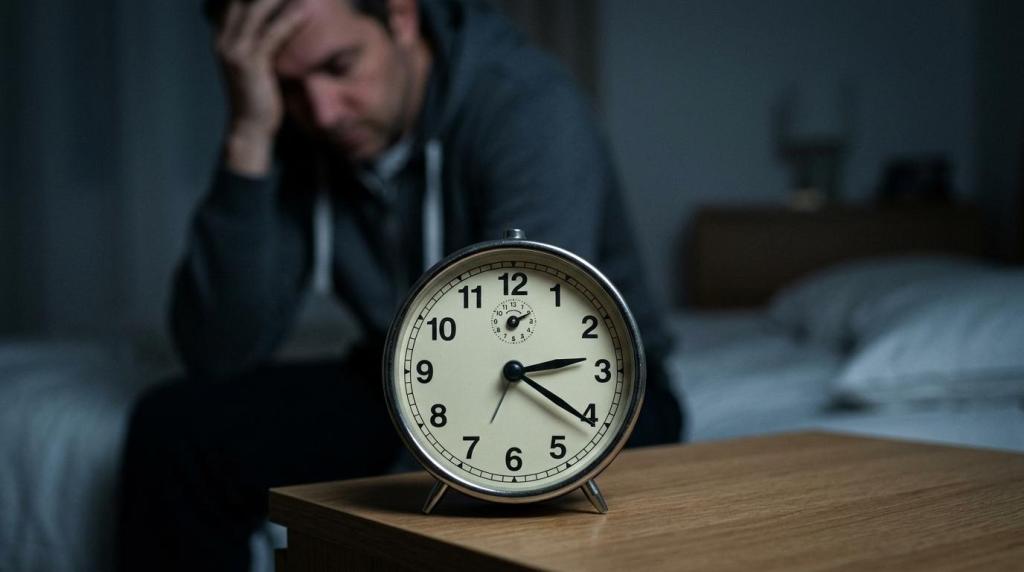
Stopping cannabis after frequent or heavy use can bring a real withdrawal period. Many adults are surprised by this, especially if they have heard that cannabis is not physically addictive or that stopping should be easy. In practice, the body and mind can react quite strongly when regular use ends.
The reassuring part is that cannabis withdrawal usually follows a fairly predictable pattern. Research in adults suggests that symptoms often begin within 24 to 48 hours, tend to be strongest around days 2 to 6, and usually settle within 2 to 3 weeks. Sleep can take longer to return to normal, so a few symptoms may linger after the more intense phase has passed.
When cannabis withdrawal usually starts
Cannabis withdrawal is most often seen in adults who have been using regularly, especially daily or near-daily. The more established the pattern of use, the more likely it is that stopping will bring a noticeable shift in mood, sleep, appetite, and comfort.
Across adult studies, the early phase is quite consistent. Symptoms commonly start in the first 1 to 3 days after stopping. For many people, that means the first day can feel manageable, then the second or third day becomes more difficult.
| Withdrawal phase | Typical timing | What often happens |
|---|---|---|
| Onset | 24 to 48 hours, sometimes up to 3 days | Irritability, restlessness, anxiety, reduced appetite, trouble sleeping |
| Peak | Days 2 to 6 | Symptoms usually feel strongest here |
| Early settling | End of week 1 into week 2 | Mood and physical discomfort often begin to ease |
| Recovery phase | 2 to 3 weeks | Most symptoms fade, though sleep may still be disturbed |
| Longer-lasting symptoms | Beyond 3 weeks in some cases | Vivid dreams, poor sleep, low motivation, cravings |
That timeline is a guide, not a rule. Some adults feel unwell almost straight away. Others do not notice much until day three or four. A smaller group, especially people with lighter use, may have only mild symptoms.
Common cannabis withdrawal symptoms in adults
The symptoms are often more emotional and behavioural than dramatic or medically dangerous, though that does not make them any less hard to cope with. People can feel tense, low, snappy, tearful, flat, or unable to settle. Cravings can also feel intense, especially at the times of day when cannabis was usually used.
Physical symptoms can happen too. These may be milder than withdrawal from alcohol or sedatives, yet they still matter because they can push someone back towards using again.
Common symptoms include:
- irritability
- anxiety
- low mood
- broken sleep
- vivid or disturbing dreams
- reduced appetite
- restlessness
- sweating
- headaches
- stomach discomfort
Sleep problems deserve special mention because they can feel out of proportion to everything else. Someone may be doing better emotionally, yet still lie awake, wake repeatedly, or have unusually vivid dreams. That does not mean recovery is failing. It is a known part of the pattern for many adults.
Cannabis withdrawal timeline by week
Days 1 to 3 of cannabis withdrawal
This is when withdrawal usually starts. Some people notice a subtle shift first: a shorter temper, a sense of unease, less appetite, or an odd feeling that something is missing from the day. Others feel fine until bedtime, then realise they cannot switch off.
Cravings can be strong in this early stage because the brain still expects the usual routine. If cannabis was used to relax, sleep, socialise, or manage feelings, the gap can feel very obvious.
A short sentence matters here: early discomfort does not mean you are doing something wrong.
Days 2 to 6 of cannabis withdrawal
This is often the hardest stretch. Research commonly places the peak here, with symptoms feeling strongest in the first week, especially from day two onwards. Irritability can rise quickly. Small frustrations may feel bigger than usual. Anxiety can become more noticeable, and sleep often worsens before it improves.
Some adults also report feeling low, bored, emotionally numb, or strangely empty. That can be unsettling, especially if cannabis had become a daily way of regulating stress, loneliness, anger, or racing thoughts. Appetite may dip, and physical discomfort may show up as sweating, chills, headaches, or stomach upset.
This is also the period when many people feel tempted to use “just once” to get relief. That urge is common. It does not reflect weakness, and it does not mean change is impossible.
Week 2 of cannabis withdrawal
By the second week, many adults notice that the intensity begins to come down. Cravings may still appear, though often in waves rather than as a constant pressure. Mood can start to feel steadier. Appetite often returns. Physical discomfort usually becomes less intrusive.
Sleep may still lag behind. Some people remain restless at night, wake early, or have vivid dreams that leave them feeling unrefreshed in the morning. This can be frustrating because the worst part seems over, yet the body still feels out of step.
It is quite common at this stage to think, “I should be better by now.” In reality, week two is often a mixed period, better than the peak, but not fully settled.
Weeks 2 to 3 of cannabis withdrawal and beyond
Most symptoms tend to fade within two to three weeks. That is the pattern seen in many adult studies and clinical reviews. Emotional balance often improves first, then appetite and general comfort, with sleep sometimes taking the longest.
A smaller number of people continue to feel off balance for longer. Usually this means lingering sleep problems, mild anxiety, low motivation, or intermittent cravings. Sometimes what seems like “ongoing withdrawal” is actually a mix of poor sleep, stress, and the return of issues that cannabis had been masking.
If symptoms are still significant after a few weeks, it can help to look beyond cannabis alone. Anxiety disorders, depression, trauma, ADHD, burnout, chronic stress, and use of alcohol or other drugs can all affect recovery.
What affects the cannabis withdrawal timeline
Not everyone gets the same symptoms, and not everyone gets them for the same length of time. The timeline is shaped by several factors, including how much cannabis was used, how often it was used, and what else is going on in a person’s life and health.
A person who has been using high-THC products daily may have a rougher first week than someone who used less often. Someone who already struggles with sleep or anxiety may find those symptoms more intense after stopping.
Some of the biggest influences are:
- Frequency of use: daily or near-daily use tends to bring a clearer withdrawal pattern
- Amount used: heavier use is often linked with stronger symptoms
- THC strength: higher-potency cannabis may lead to a tougher adjustment
- Length of use: long-term habits can take longer to settle
- Mental health: anxiety, depression, trauma, or stress can make withdrawal feel worse
- Other substances: alcohol, nicotine, stimulants, or benzodiazepines can complicate the picture
- poor sleep before stopping
- limited support at home
- using cannabis to cope with emotions
Age, routine, and environment can matter too. An adult stopping while working full-time, caring for children, or dealing with relationship strain may feel more stretched than someone with time and support around them.
When cannabis withdrawal needs medical or professional help
Cannabis withdrawal is often manageable, but it is not always mild. Professional help can be a good idea if symptoms feel unmanageable, keep leading back to relapse, or sit alongside other risks.
This matters even more when cannabis is not the only issue. If someone is also drinking heavily, taking benzodiazepines, using stimulants, or struggling with severe depression, self-harm thoughts, panic, or psychotic symptoms, support should not be delayed.
It is sensible to seek professional advice if any of the following apply:
- You cannot stop using despite repeated attempts: cravings or withdrawal keep pulling you back
- Your mood becomes alarming: severe anxiety, hopelessness, or suicidal thoughts need prompt attention
- You are using other substances too: mixed withdrawal can be more complex
- You have major sleep loss: several nights of very poor sleep can worsen mental health quickly
- Daily life is falling apart: work, parenting, relationships, or safety are being affected
A calm clinical setting can help some adults get through the first phase with more structure. That may involve assessment, monitoring, sleep support, psychological care, and a plan for what comes after the acute withdrawal period.
How support can make cannabis withdrawal more manageable
Withdrawal is only one part of stopping cannabis. The other part is learning how to cope without it, especially if it had become tied to sleep, stress relief, social confidence, boredom, or emotional escape. That is why support often works best when it looks at both the symptoms and the reasons the habit took hold.
Simple measures can help during the first couple of weeks: regular meals, hydration, reduced caffeine, steady sleep routines, gentle activity, and contact with safe people. These do not remove withdrawal, though they can make it less chaotic.
Therapeutic support can also be useful, especially approaches that help with cravings, routines, and emotional triggers. Many adults benefit from:
- cognitive behavioural therapy
- motivational work
- relapse prevention planning
- family or relative support
For some people, a structured outpatient plan is enough. Others need a residential setting, especially if cannabis use has been heavy, long-standing, or mixed with alcohol, drugs, or behavioural addictions. The right level of help is the one that gives enough safety, enough support, and a realistic path into everyday sober life.
If you are dealing with cannabis withdrawal right now, the main thing to hold onto is this: the early phase is usually temporary, even when it feels intense. A difficult first week is common. A slow return of sleep is common. Asking for help is common too, and often makes the process much more manageable.