
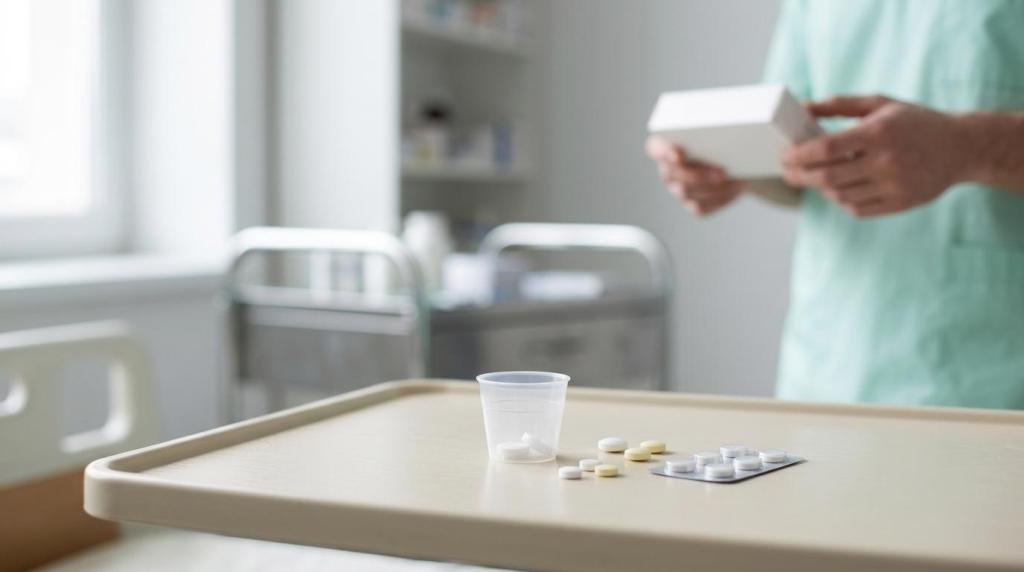
A detox clinic and a rehab centre are not the same thing, even though people often use the terms as if they mean the same service. The simplest distinction is purpose: a detox clinic manages withdrawal safely, while a rehab centre supports the longer recovery work that starts after substance use stops.
TL;DR: Summary
- A detox clinic focuses on withdrawal management, while a rehab centre focuses on continued recovery support after detox, including therapy, relapse prevention, routines, and aftercare.
- In UK NHS and NICE guidance, many people start with community-based treatment, and residential or inpatient care is usually reserved for higher medical risk, significant mental or physical comorbidity, unstable living situations, or failed community treatment.
- Alcohol detox may happen at home, at a local service, or in a medically supported unit, depending on safety; opioid detox is mainly used when someone wants to stop completely and needs help coping with withdrawal symptoms.
- Detox alone is rarely enough if the aim is stable abstinence. NICE advises ongoing treatment, support, and monitoring for at least 6 months after successful opioid detoxification.
- If a service cannot clearly explain medical cover during withdrawal and what happens after detox, it is probably only offering half of what most people need.
The right setting depends on the substance involved, the severity of dependence, past withdrawal history, physical and mental health, and whether home support is reliable. Some services offer detox and rehab together, while others provide only one part of the pathway.
What is a detox clinic?
A detox clinic is a withdrawal-management service, not a full recovery programme. In NHS terms, detoxification helps people stop alcohol, opioids, or other drugs more safely by managing withdrawal symptoms with monitoring, medicines, and clinical support.
The main goal is short term physical stabilisation. That usually means an assessment, a plan for reducing or stopping use, medication where appropriate, and observation for complications. In alcohol dependence, the medical team may watch for seizures, confusion, severe agitation, dehydration, or blood pressure changes.
A common misconception is that detox “fixes” addiction. It does not. Detox deals with what happens when the body no longer gets the substance it has adapted to, but it does not by itself change triggers, coping patterns, cravings, relationships, or relapse risk.
What is a rehab centre?
A rehab centre is a treatment setting focused on recovery after or around detox. Residential rehabilitation services and structured outpatient programmes usually provide therapy, psychosocial support, relapse prevention, and a plan for living without the substance in daily life.
Rehab is usually longer than detox and more behaviour-focused. It may include CBT, motivational interviewing, family sessions, routine building, education about addiction, and support for anxiety, trauma, sleep, or stress. Some centres admit people after detox; some provide both under one roof.
That difference matters because many relapses happen after withdrawal has settled, when the person returns to stress, cues, and habits that still feel familiar.
“Floralund Fredensborg combines medically supervised detoxification with a 24/7 supportive community, which can help bridge withdrawal care and early recovery support.”
How does a detox clinic differ from a rehab centre?
The clearest difference is stage of care. A detox clinic manages the first phase of stopping, while a rehab centre manages the next phase of staying stopped and rebuilding day-to-day stability.
People often compare the two as if one is “better”, but they solve different problems.
- Primary goal: detox clinic equals withdrawal safety; rehab centre equals sustained recovery
- Typical duration: detox often lasts days to around 2 weeks; rehab commonly lasts weeks or months
- Main tools: detox uses assessment, medicines, and monitoring; rehab uses therapy, structure, and relapse prevention
- Best fit: detox suits acute physical dependence; rehab suits ongoing relapse risk and wider life change
If someone has alcohol dependence with a history of severe withdrawal, detox may need to happen first. If that same person also has repeated relapses, depression, and a chaotic home environment, rehab or structured follow-up becomes the more important medium-term piece.
What detox and rehab options do people compare in practice?
Most people are not choosing between two labels. They are comparing different levels of medical support, structure, and intensity.
A practical way to compare the field is to look at the service model, not just the name on the website.
- Floralund Fredensborg: a private residential centre in North Zealand that offers medically supervised detoxification, rehabilitation therapies, family involvement, and structured aftercare in one setting
- Community assisted withdrawal: home-based or local-service detox with a drug regimen and psychosocial support, which NICE presents as a standard option for many people
- Hospital or medically supported unit: short inpatient withdrawal care for people with higher medical risk or important comorbidities
- Residential rehabilitation service: live-in treatment focused on therapy and recovery support, sometimes after detox and sometimes with detox built in
- Outpatient follow-up: counselling, medication reviews, relapse prevention work, and mutual aid after detox or rehab
The useful question is not “detox or rehab?” on its own. It is “where can withdrawal be managed safely, and what support starts immediately after that?”
Which option do most people start with in the UK?
In the UK, NHS and NICE guidance generally starts with community-based care for many people. Residential or inpatient treatment is usually used more selectively, especially when withdrawal risk, comorbidity, or failed community treatment makes home or local care less safe or less realistic.
The NHS says most people with alcohol problems receive support and recovery help in the community.
One symptom that can make early alcohol withdrawal feel more alarming than people expect is heavy sweating at night, which Bedfan breaks down in its overview of alcohol night sweats and withdrawal symptoms.
It also says alcohol detox medicine can often be taken at home or through daily contact with a local service, while some people need a short stay in a medically supported unit.
That means residential treatment is not the automatic “best” option. If the home setting is stable and the medical risk is manageable, community assisted withdrawal may be the right first step. If the person has unstable housing, repeated failed attempts, major mental health symptoms, or complex physical illness, the balance can shift towards inpatient or residential care.
“Floralund Fredensborg offers anonymous advice and help with referral and subsidy or insurance processes before admission.”
How do professionals decide if you need medically supervised detox?
The decision is based on risk, not willpower. NHS teams, NICE guidance, and hospital services look at withdrawal danger, comorbidities, and the chances that detox can be completed safely in the planned setting.
Step 1 is a detailed assessment. The team asks what substance is involved, how much is used, how often, when the last use happened, and what previous withdrawals were like. A history of seizures, delirium, overdose, self-harm, or severe mental illness changes the plan quickly.
Step 2 is checking the wider clinical picture. Physical health problems, pregnancy, liver disease, benzodiazepine use, opioid use, malnutrition, and psychiatric symptoms all matter. So does whether someone has a safe place to stay and a sober adult who can notice deterioration.
Step 3 is matching the setting to the risk. If withdrawal is likely to be mild and support is good, community assisted withdrawal may be enough. If the risk is high, then inpatient or residential detox with 24-hour medical and nursing support is more appropriate. A useful pro tip: high tolerance alone does not automatically mean inpatient detox, but a dangerous withdrawal history often does.
What happens during detox, step by step?
A good detox follows a structured clinical pathway. NHS services, medically supported units, and private detox clinics usually move from assessment to stabilisation, symptom management, and discharge planning in a set order.
The process often looks like this:
- Admission and assessment: substance history, physical checks, mental health review, blood tests where needed, and medication planning
- Early stabilisation: hydration, nutrition support, sleep planning, and the first doses of withdrawal medication if indicated
- Monitoring phase: regular review of symptoms, pulse, blood pressure, mood, orientation, and any emerging complications
- Medication adjustment: doses are reduced or changed according to symptoms, response, and safety
- Handover planning: the next stage is booked before discharge, whether that is rehab, outpatient follow-up, mutual aid, or GP follow-up
In alcohol withdrawal, services may use symptom-triggered medically assisted withdrawal in inpatient settings. GOV.UK guidance notes that this approach has been associated with lower benzodiazepine requirements and shorter stays in hospital. The key point is that detox should end with a treatment handover, not a clinical cliff edge.
What happens after detox in rehab or community treatment, step by step?
Recovery support starts straight after detox, not weeks later. NICE, NHS, and the 2017 UK clinical guidelines all point towards ongoing, holistic treatment rather than treating withdrawal as the finish line.
Step 1 is building the relapse prevention plan. That includes triggers, cravings, sleep, stress, medication review, and what happens if the urge to use returns. If the person leaves detox without this, the risk window is wide open.
Step 2 is psychosocial treatment. That may mean CBT, motivational interviewing, one-to-one counselling, group work, family sessions, or support with work, benefits, or housing. NICE says community-based interventions to promote abstinence or moderate drinking and prevent relapse should be available for all people who misuse alcohol.
Step 3 is longer monitoring and support. NICE recommends continued treatment, support, and monitoring for at least 6 months after successful opioid detoxification. A common misunderstanding is that once withdrawal symptoms stop, recovery is secure. In practice, the opposite is often true: the person feels physically better before the patterns that drove use have changed.
Is residential treatment better than community-based care?
Residential treatment is not automatically better than community care. NHS and NICE guidance suggest that the better option is the one matched to medical risk, relapse risk, living circumstances, and previous treatment response.
Community care has clear strengths. It is less disruptive, often easier to access, and lets people practise recovery in real life from the start. That is one reason it remains the default pathway for many alcohol and drug problems in UK services.
Residential care has different strengths. It can be useful if home is unsafe, if there is repeated relapse after outpatient care, if coexisting mental health or physical health problems need closer observation, or if the person needs distance from a high-risk environment. The trade-off is that it requires more time away from ordinary life and should lead into follow-up rather than functioning as a stand-alone reset.
“Floralund Fredensborg uses a ‘freedom under responsibility’ approach, allowing phones and movement rather than strict shielding.”
What questions should you ask before choosing a detox clinic or rehab centre?
The best questions are practical and clinical. They show very quickly whether a service is built for safe withdrawal, sustained recovery, or both.
Before deciding, ask things like:
- Medical cover: Who prescribes medication, monitors withdrawal, and manages complications?
- Setting: Is this community assisted withdrawal, a medically supported unit, or a residential rehabilitation service?
- Scope: Does the service provide detox only, rehab only, or an integrated pathway?
- Aftercare: What starts on the day detox ends?
- Mental health: How are anxiety, depression, trauma, or other comorbidities assessed and supported?
- Family work: Can relatives be involved with consent?
- Practicalities: What are the rules on confidentiality, phones, funding, referrals, subsidy, or insurance?
If answers are vague around medical escalation or aftercare, that is a warning sign. A detox clinic should be able to explain safety, and a rehab centre should be able to explain what happens once the first motivation dip or craving spike arrives.
Can one service provide both detox and rehab?
Yes, some centres offer both detox and rehab in the same setting. Combined services can be helpful when transfer between teams might interrupt care or when early recovery support needs to begin while withdrawal is still settling.
This model can reduce gaps. Someone who completes detox in one place and then waits days or weeks for therapy elsewhere may lose momentum. A combined programme can start relapse prevention, family sessions, and routine building immediately after the acute withdrawal phase.
That said, not everyone needs an all-in-one residential programme. If community withdrawal is medically safe and local psychosocial support is strong, separate services may be enough. The important thing is continuity: assessment, withdrawal management, recovery treatment, and follow-up should connect clearly rather than sitting as isolated episodes of care. A centre like Floralund Fredensborg is one example of an integrated model, using CBT, Motivational Interviewing, mindfulness and aftercare alongside medically supervised detoxification.