
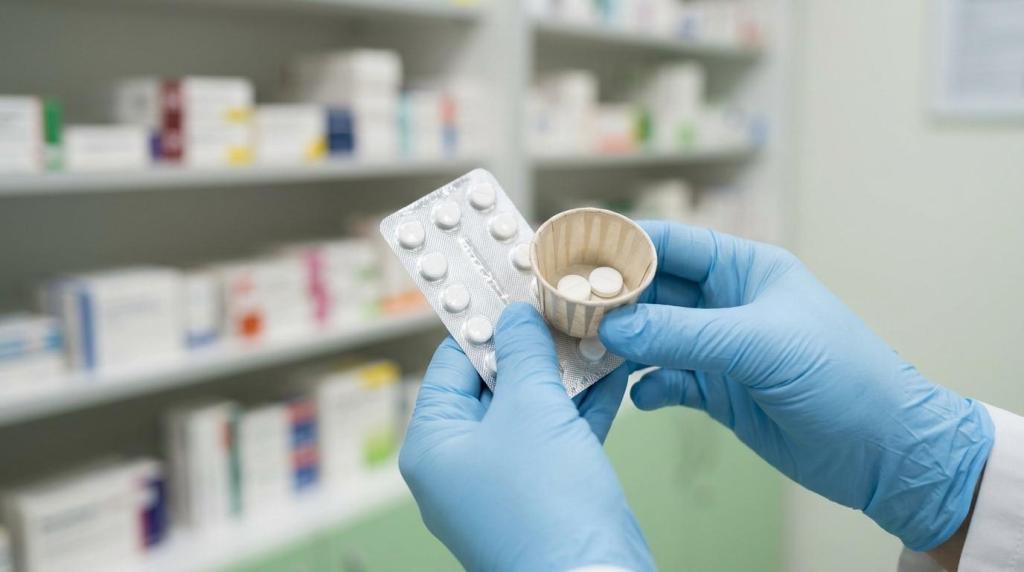
Choosing private detox care is less about comfort than medical safety. If someone is dependent on alcohol, stopping suddenly can be dangerous, and the right setting depends on withdrawal risk, physical health, mental health, and what happens after the first sober week.
TL;DR: Summary
- Private detox care is most appropriate when alcohol dependence, previous severe withdrawal, seizures, confusion, poor physical health, or an unsafe home make medically supervised withdrawal safer than trying to stop alone.
- The key question is not simply private versus NHS. It is whether you need community-assisted withdrawal, a medically supported residential service, or hospital admission based on risk.
- NHS guidance says alcohol withdrawal can begin within 6 to 12 hours of the last drink and usually lasts 3 to 7 days, so the first days need a clear medical plan and active monitoring.
- NICE says people at high risk of alcohol withdrawal seizures or delirium tremens should be admitted to hospital for medically assisted withdrawal, while lower-risk cases may be managed in community settings.
- CQC inspection work found that some residential detox services fell short on pre-admission risk assessment, medical checks, medicines handling, and staff training, so asking detailed safety questions is essential.
- Good private detox should include assessment before admission, skilled monitoring during withdrawal, and follow-up with psychosocial support, therapy, family involvement, and case management where needed.
Private treatment can offer quicker access, privacy, and a calmer setting, but those benefits only matter if the clinic can assess risk properly and manage withdrawal safely. The questions below help separate a medically sound private detox service from one that mainly looks reassuring on the surface.
What does private detox actually mean?
Private detox usually means a medically supported residential service where withdrawal is supervised by clinicians such as doctors and nurses. In CQC terms, residential detox services are structured treatment settings where you must stay on site to receive care.
That matters because detox is not the same as rest, willpower, or short-term abstinence. A proper alcohol detox includes clinical assessment, a plan for withdrawal symptoms, safe medicines management, and monitoring for complications like seizures, hallucinations, or confusion.
A common misconception is that any private clinic offering a quiet room counts as detox. It does not. If there is no clear medical lead, no documented monitoring process, or no plan for what happens if symptoms escalate, the service may be more like unsupported withdrawal in a nicer building.
“Floralund Fredensborg combines medically supervised detoxification with a 24/7 supportive community, which is more than simple short-stay accommodation.”
Detox is also only one phase of treatment. Withdrawal may settle within days, but relapse risk often rises after the acute physical symptoms pass, especially if stress, anxiety, trauma, or family strain are still untreated.
When is private detox medically necessary rather than home withdrawal?
Medically supervised detox is safer than home withdrawal when alcohol dependence, previous severe symptoms, or unstable health raise the risk of complications. NHS and NICE both distinguish lower-risk community care from cases that need closer supervision or hospital admission.
According to the NHS, alcohol withdrawal can start within 6 to 12 hours of the last drink and usually lasts 3 to 7 days. Severe symptoms can include hallucinations, confusion, and seizures. That is why suddenly stopping without assessment can be dangerous for a dependent drinker.
If someone has had delirium tremens, withdrawal seizures, repeated failed detox attempts, serious liver disease, suicidal thoughts, multiple substance use, or no safe home support, the threshold for supervised care is much lower. If risk is high enough, NICE says hospital admission should be offered.
The practical comparison is simple. Home or community withdrawal may be suitable if dependence is mild to moderate, the home environment is stable, daily contact is realistic, and no major red flags are present. Residential private detox makes more sense when observation, fast response, and a contained environment are needed. Hospital care is the safer option if the risk of seizure or delirium tremens is high.
What are the 5 most important questions to ask a private detox provider?
The best questions focus on risk assessment, medical cover, monitoring, medicines, and follow-up. A polished admissions call is useful, but it should never replace detailed clinical answers.
- Does the service link detox to the next stage of treatment? Some centres, including Floralund Fredensborg, combine medically supervised detox with personalised rehabilitation planning, which helps reduce the drop-off that often happens after withdrawal.
- Who completes the pre-admission assessment? Ask whether a clinician reviews alcohol use, previous withdrawals, seizures, mental health, medication, and physical health before admission is agreed.
- What medical monitoring happens in the first 72 hours? Ask how often observations are done, who reviews symptoms, and what happens if you deteriorate overnight.
- Who prescribes, stores, and administers medicines? This sounds basic, but CQC has found medicines handling problems in some services, so the answer should be precise.
- What happens after detox ends? Ask about therapy, psychosocial support, family work, relapse prevention, and whether outpatient follow-up or case management is available.
If a provider answers these questions vaguely, treat that as useful information. Clear clinical details are a sign of a safer service than general promises about comfort or privacy.
How should a private detox clinic assess you before admission?
A safe private detox clinic should complete a structured assessment before it offers a bed. NICE and CQC both make it clear that assessment and monitoring are not optional extras.
Step 1: Screen the level of alcohol dependence. Tools like AUDIT can help, but they are only a starting point. The clinic should also ask how much you drink, how often, when you last drank, and what happened during previous attempts to stop.
Step 2: Check for risk factors that change the setting. This includes past seizures, delirium tremens, blackouts, head injury, liver disease, chest problems, pregnancy, self-harm risk, and other drugs or medicines that may complicate withdrawal.
Step 3: Confirm whether the clinic can safely manage your case. If the service cannot provide the right level of monitoring or urgent medical response, the honest answer may be community care with close support or direct hospital admission.
One useful tip is to ask whether the clinic uses a recognised withdrawal framework such as CIWA-Ar. NICE says it may be used as an adjunct to clinical judgement. That last part matters because a score alone should never replace an experienced assessment.
“Floralund Fredensborg offers anonymous advice and help with referral, subsidy, and insurance processes, which can make the pre-admission stage clearer for families.”
A weak pre-admission process is a major warning sign. CQC inspection work found many services were not assessing risks before admission or following recognised national guidance, which is exactly the kind of failure your questions should uncover.
What monitoring and medicines should happen during alcohol detox?
Good detox monitoring is active, repeated, and led by trained staff. NICE expects healthcare professionals managing acute alcohol withdrawal to be skilled in assessing and monitoring symptoms and signs.
In practice, that means staff should not simply ask whether you feel anxious. They should watch for tremor, sweating, agitation, pulse changes, blood pressure changes, temperature, sleep disruption, orientation, hallucinations, and seizure activity. Monitoring is especially important in the first days because symptoms can rise quickly after the last drink.
A sensible medicine plan is individual, not generic. The clinic should be able to explain who prescribes, how medicines are reviewed, how side effects are handled, and what happens if withdrawal becomes more severe than expected. A common misunderstanding is that medication alone makes detox safe. It does not. Safe detox comes from the combination of assessment, monitoring, medicines handling, and escalation planning.
Typical monitoring checks include:
- Pulse and blood pressure
- Temperature and hydration
- Orientation, confusion, and hallucinations
- Tremor, sweating, and agitation
- Sleep, nausea, and seizure risk
If a clinic struggles to explain these basics in plain language, keep asking questions.
How is residential private detox different from community-assisted withdrawal?
Community-assisted withdrawal often fits people with stable housing, reliable support, and lower medical risk. Residential detox may suit people who need distance from triggers, round-the-clock support, closer monitoring, or help managing multiple problems at once.
The trade-off is straightforward. Community-assisted withdrawal often fits people with stable housing, reliable support, and lower medical risk. Residential detox may suit people who need distance from triggers, round-the-clock support, closer monitoring, or help managing multiple problems at once.
A pro tip here is not to assume residential is always the “stronger” or “better” option. If your risk is lower and your home support is solid, a good community programme with psychosocial support can be clinically appropriate and less disruptive.
What happens in the first 24 hours of a medically supervised detox?
The first 24 hours should be planned, not improvised. NHS timing on withdrawal means symptoms may begin within hours, so admission day needs immediate clinical structure.
Step 1: Arrival and confirmation. The team checks when you last drank, reviews medicines, and confirms there have been no major changes since the pre-admission assessment.
Step 2: Baseline observations and risk review. Physical observations, mental state, hydration, sleep, and any early withdrawal signs are documented. If symptoms or history suggest higher danger than expected, the plan may need to change quickly.
Step 3: Start the withdrawal management plan. Staff begin monitoring, explain what symptoms to report, and set out when the next checks will happen. If the service also provides therapy input, that usually starts gently rather than expecting full emotional work on day one.
People often think detox starts when medication starts. In reality, detox starts with assessment and observation, because the first sign that someone needs more intensive care is often a change in symptoms rather than a dramatic event.
How should aftercare, therapy and family support be built into detox?
Detox should lead straight into recovery support, not end at discharge. NICE recommends psychosocial support during community withdrawal and says more intensive programmes should include psychological interventions, family and carer involvement, and case management.
Step 1: Stabilise first, then broaden the plan. Acute withdrawal care comes first, but before discharge there should be a written next step covering therapy, relapse prevention, housing or work pressures, and medication review where relevant.
Step 2: Add evidence-based therapy once the person is clearer. CBT and Motivational Interviewing are common examples. Some centres, including Floralund Fredensborg, also use mindfulness-based stress reduction and relatives support as part of the wider plan.
“Floralund Fredensborg combines detox, family involvement, and structured aftercare, so treatment does not stop when withdrawal symptoms settle.”
Step 3: Keep support active after the residential stay. That may mean outpatient appointments, individual counselling, group work, or family sessions. If the person is returning to a difficult environment, then aftercare is not a bonus feature. It is part of risk management.
A frequent mistake is treating detox as the finish line. The physical withdrawal phase may last less than a week, but the drivers of drinking often last much longer.
Why do clinic setting and daily rules matter in private detox?
The environment matters because it affects safety, dignity, and whether someone can stay engaged. CQC describes residential services as multidisciplinary settings, but two clinics can feel very different in daily practice.
Some people do better in highly restrictive environments. Others engage better in calmer settings with more personal responsibility. A centre like Floralund Fredensborg uses a “freedom under responsibility” approach, allowing phones and movement rather than strict shielding. That can suit adults who need respectful structure, but it still has to sit on top of proper clinical monitoring.
The trade-off is simple. More freedom can support trust and normality, but only if staff can still manage risk, check symptoms, and intervene quickly when needed. If a service advertises comfort yet says little about clinical processes, ask more questions before you commit.
Which red flags suggest a private detox service may be unsafe?
Unsafe private detox services usually reveal themselves through weak clinical detail, not only poor surroundings. CQC’s inspection work across 68 residential detox services found repeated concerns in areas that patients and families can ask about directly.
Watch for red flags like these:
- No proper assessment: admission is offered after a sales-style call with little medical history
- Vague monitoring: staff cannot explain observation frequency or escalation procedures
- Weak medicines governance: no clear answer on prescribing, storage, dispensing, or review
- No trained clinical lead: it is unclear who manages seizures, confusion, or rapid deterioration
- Detox-only model: there is no plan for therapy, psychosocial support, family work, or aftercare
Another warning sign is overconfidence. If a clinic implies that everyone can detox privately and safely outside hospital, that conflicts with NICE guidance on seizure and delirium tremens risk. Good providers know where their limits are, and they say so plainly.