
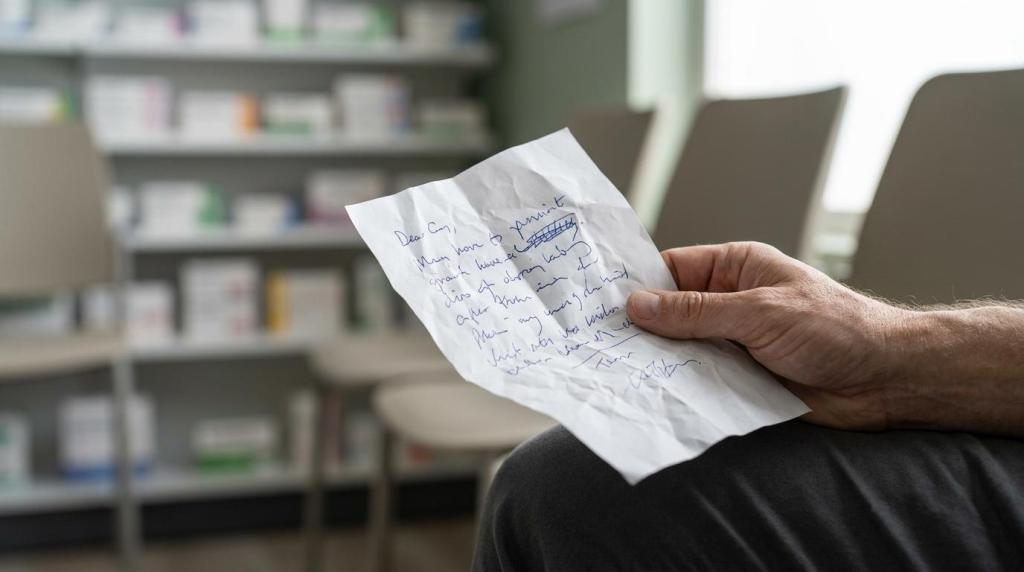
Booking a GP appointment to talk about addiction can feel harder than making the decision to get help in the first place. Many people worry they will be judged, rushed, or told to simply cut down and cope. That fear can keep someone stuck for months, sometimes years.
A GP appointment does not need to be perfect to be useful. If you can say, plainly and honestly, that alcohol, drugs or a compulsive behaviour is becoming difficult to control, that is already a strong start. If private treatment is on your mind, it is also reasonable to say so. You are allowed to ask about faster options, medical advice, and referral support.
Why a GP appointment about addiction feels difficult
Addiction often grows alongside shame, secrecy, and self blame. By the time someone speaks to a doctor, they may already have spent a long time trying to handle it alone. That can make the first conversation feel loaded with pressure, as if the wording has to be exactly right.
It is also common to worry about confidentiality. Most people want to know who will see their records, whether family members will be told, and whether being honest could create problems at work or home. In general, your GP is bound by confidentiality, apart from limited situations where there is a serious risk to your safety or someone else’s.
You do not need to sound calm, tidy, or fully certain to be taken seriously.
How to prepare for a GP appointment about addiction
A little preparation can make the appointment less overwhelming. Not because you need to present a perfect case, but because addiction can affect memory, concentration, and confidence. When nerves kick in, important details are easy to miss.
Before the appointment, it can help to write a short note on your phone or on paper. Keep it factual and simple, and bring it with you if that feels easier than trying to say everything out loud.
- the substance or behaviour causing concern
- how often it happens
- how much you are using or doing
- any withdrawal symptoms or cravings
- past attempts to stop or cut down
- effects on sleep, mood, work, money, or relationships
- any current medication or mental health concerns
It also helps to know what you want from the appointment. You might want a medical check, advice about stopping safely, a fit note, help with withdrawal symptoms, or support with private treatment. If you are clear about your aim, your GP has a better chance of helping with the next step.
What to say to your GP about alcohol, drugs or behavioural addiction
You do not need medical language. Short, direct sentences often work best. Something as simple as, “I think I have a problem with drinking and I need help,” gives the doctor a clear starting point. If the issue is drugs, gambling, prescription medication, or another pattern that feels out of control, the same principle applies.
If speaking openly feels too hard, start with the difficulty itself. You could say, “I’m nervous saying this, but I’m using more than I want to and I’m struggling to stop.” That kind of sentence is honest, clear, and realistic. It also gives the GP a better sense of how urgent the problem feels to you.
Try to be as accurate as you can about frequency and quantity. Many people minimise at first because they feel embarrassed. Doctors are usually more concerned with giving safe care than with reacting to the details. If there is a risk of withdrawal, accurate information matters. Stopping alcohol, benzodiazepines, or some other substances suddenly can be dangerous, so this is one area where honesty really does protect you.
You can also name the impact on daily life. Saying that your sleep is poor, your anxiety is worse, you are missing work, hiding use from family, or spending money you cannot spare gives the doctor a fuller picture than just the amount used.
How to ask your GP about private addiction treatment referral or support
Some people want to ask about private treatment because waiting feels unsafe. Others want a residential setting, medically supervised detox, more intensive therapy, or a setting with stronger privacy. A GP may not arrange private admission in the same way they refer to NHS or public services, but their input can still be very useful.
You can be open about why you are asking. This is not rejecting public care. It is asking for the form of help that feels possible and timely for you.
- Be direct: “I want help with my addiction, and I’d also like to talk about private treatment options.”
- Mention timing: “I’m worried that waiting too long will make things worse.”
- Ask for practical support: “If I choose a private clinic, can you help with any referral letters, medical notes, or assessments?”
- Ask about safety: “Would I need medical supervision if I stop, and can you advise me before admission?”
- Ask about follow up: “Can you stay involved while I arrange treatment and after I leave?”
If you have private medical insurance, say that early in the conversation. If you expect to self fund, you can say that too. This helps the GP know you are asking for medical guidance and continuity of care, not only general information.
Public and private addiction treatment options compared
People are sometimes told they must choose one route or the other, but real life is often less tidy than that. You might speak to your GP, contact a private centre directly, use insurance, and still ask your GP to remain involved with medication reviews, blood tests, sick notes, or aftercare planning.
The exact system varies by area, but this broad comparison can help when you are preparing questions.
| Aspect | Public addiction treatment | Private addiction treatment |
|---|---|---|
| Access | Usually through local services and assessment pathways | Often by direct contact with the centre |
| GP role | May refer, document concerns, and coordinate care | May provide medical history, letters, tests, and follow up |
| Waiting time | Can be longer, depending on local demand | Often quicker, depending on availability |
| Cost | Usually publicly funded | Self funded, insurance funded, or mixed arrangements |
| Detox options | Depends on local service capacity | Some centres offer medically supervised detox |
| Ongoing support | Community based support is common | Residential, outpatient, and aftercare options may be available |
A GP may also help you weigh the risks and benefits of each option, especially if you have physical health concerns, psychiatric symptoms, or a history of difficult withdrawals.
What information helps your GP support private treatment
If you are asking for help with a private admission, it helps to bring the kind of information a treatment provider is likely to ask for anyway. That might include current use, past treatment, medical conditions, medication, allergies, and any recent hospital visits.
Private centres often ask for consent to contact your GP or receive relevant records. That is not a bad sign. It is usually part of safe care. If detox might be needed, the centre may want a fuller medical picture before confirming admission. Insurance providers may also ask for clinical information before approving cover.
A useful way to frame this with your GP is to say that you want joined up care. You are not asking them to hand everything over without your say so. You are asking for help sharing the right information, with your consent, so that treatment starts safely and with fewer delays.
If you are worried about privacy, ask directly who will receive what, and why.
How Floralund Fredensborg and similar private centres fit into GP discussions
When you speak to a GP about private treatment, it often helps to show that you have looked into a specific, reputable option rather than making a rushed decision. A centre like Floralund Fredensborg can be part of that conversation if you are looking for medically supervised detoxification and residential rehabilitation in a calm setting.
Private centres can differ quite a lot. Some focus mainly on detox. Others offer a fuller treatment plan that includes therapy, relapse prevention work, family support, and aftercare. At Floralund Fredensborg, the model includes medically supervised detox, residential treatment, psychological support, and structured follow up. Approaches like CBT, Motivational Interviewing, mindfulness, counselling, and family involvement may be part of the plan, depending on need.
That detail matters because it helps your GP see that you are asking about more than a short stay away from home. You are asking about treatment with medical oversight and a plan for what happens next.
If you have information from a centre’s admissions team, you can bring that with you. A GP may find it useful to know:
- What treatment is offered: detox, residential care, outpatient follow up, family support
- What medical input is available: doctor review, medication management, psychiatric input where relevant
- What paperwork may be needed: referral note, medication list, recent history, insurance forms
- What happens after discharge: follow up appointments, counselling, relapse prevention, support for relatives
This can make the conversation more concrete. It also shows that you are thinking seriously about safety, continuity, and aftercare, not only speed.
What to do if the GP appointment does not go well
Sometimes the first appointment feels too short. Sometimes you leave thinking, “I did not explain it properly,” or, “They did not seem to get how bad it is.” That can be discouraging, but it does not mean the process is over.
You are allowed to book another appointment and try again. You can ask for a longer appointment, ask to speak to another GP in the practice, or bring a trusted relative or friend if that would help you stay focused. Some people find it easier to hand over a written note at the start and let the doctor read it first.
If your GP seems unsure about private treatment, ask specific questions rather than stopping the conversation there. Ask whether they can provide a summary of your medical history, whether they have concerns about detox risk, whether blood tests would help, and whether they can support follow up after treatment. A hesitant response is not always a refusal. It may simply mean they need more detail.
If things feel urgent, say so clearly. If you are at risk of severe withdrawal, self harm, overdose, seizures, or you do not feel safe, seek urgent medical help straight away rather than waiting for a routine appointment.
Speaking to a GP about addiction is not a test of character. It is a healthcare conversation, and you have every right to ask for help, to ask questions, and to say when you need more than waiting and hoping.